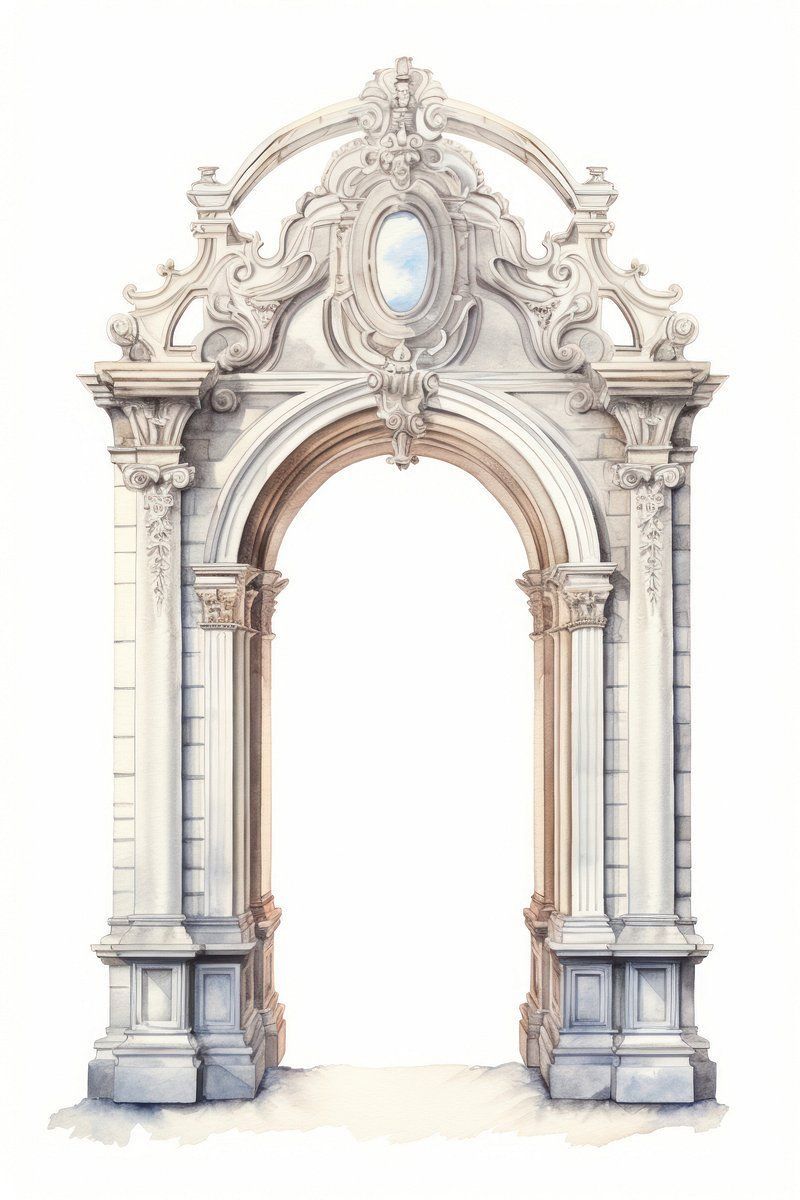
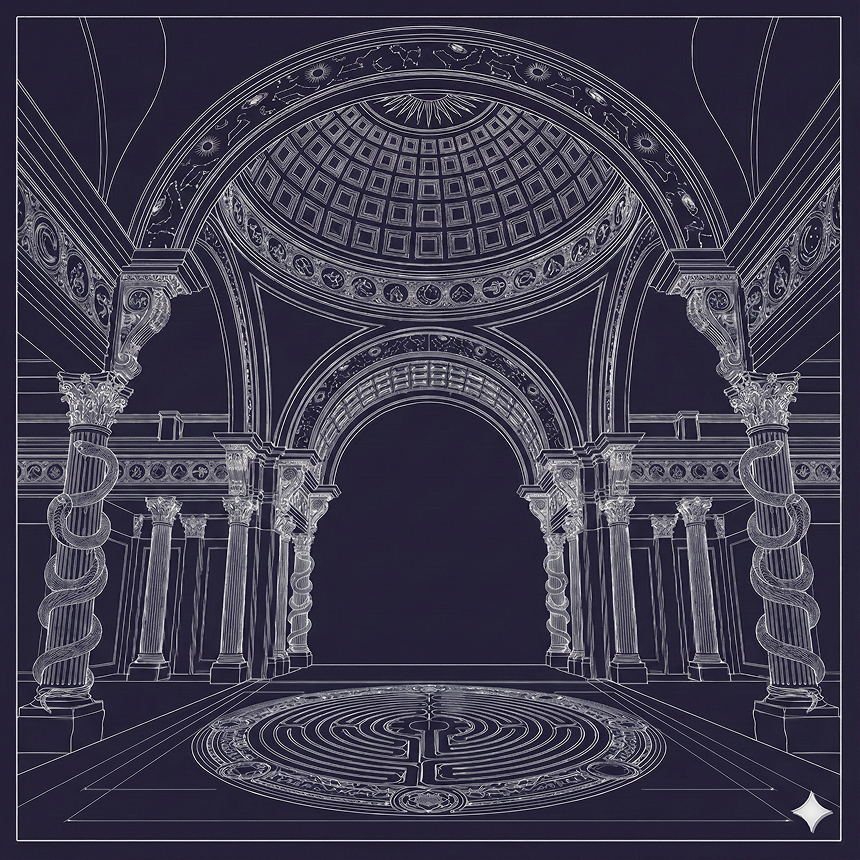
Mayavi was built as a palace, not a brand.
A palace is a structure you inhabit.
A brand is a logo you wear.
One of these holds mythology.
The other holds a season.
Mythology as brand architecture.
The jewellery market has a gap that nobody is filling cleanly. On one end, mass-market pieces with no meaning. On the other, heritage houses selling status. Neither speaks to the woman who reads Jung on a Tuesday night and also has good taste — who wants jewellery that means something without being crystals-and-chakras about it.
The brief wasn’t to build a brand for that gap. The brief was to figure out if that gap was actually a gap, and if so — what kind of brand could inhabit it with integrity.
The jewellery as talisman. Not decoration. Not investment. Activation.
The insight wasn’t about jewellery. It was about the nature of archetypes.
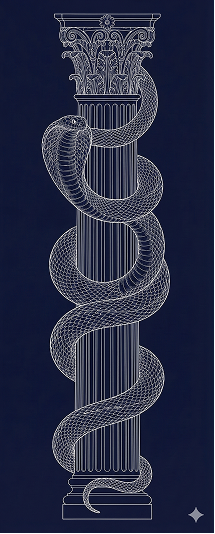
An archetype isn’t a character you relate to — it’s a force you carry. The Siren, the Naga, the Vamp. These aren’t stories about other people. They’re patterns inside the person wearing the piece. The brand’s job wasn’t to tell people who they were, but to give them a physical object that let them remember.
House of Mayavi is a brand-in-progress. The strategy is complete; the products are in development. What exists is a full brand world — positioning, voice, visual language, content architecture, and product philosophy — built to age well rather than trend-chase.